H23 Foundation · Est. 2026
A UK charitable foundation fighting ketamine addiction.
In February 2026, we lost Honor to suicide following a battle with ketamine addiction. She was bright, loved, and let down by a system that didn't recognise the danger until it was too late. H23 Foundation exists to change that.

Our Story
Watch the video that started a movement, and learn why H23 Foundation exists.
Ketamine addiction among young people is a growing crisis hiding in plain sight. Unlike alcohol or vaping, most parents don't know the signs. Most schools don't teach it. Most GPs don't screen for it.
H23 Foundation is built on four pillars: Awareness, Education, Family Support, and Advocacy. We will carry Honor's story into every school, every family, and every conversation that needs it.
This is Honor's legacy. And it starts now.
The Campaign
Share these videos. Every view, every share, reaches another family who needs this.

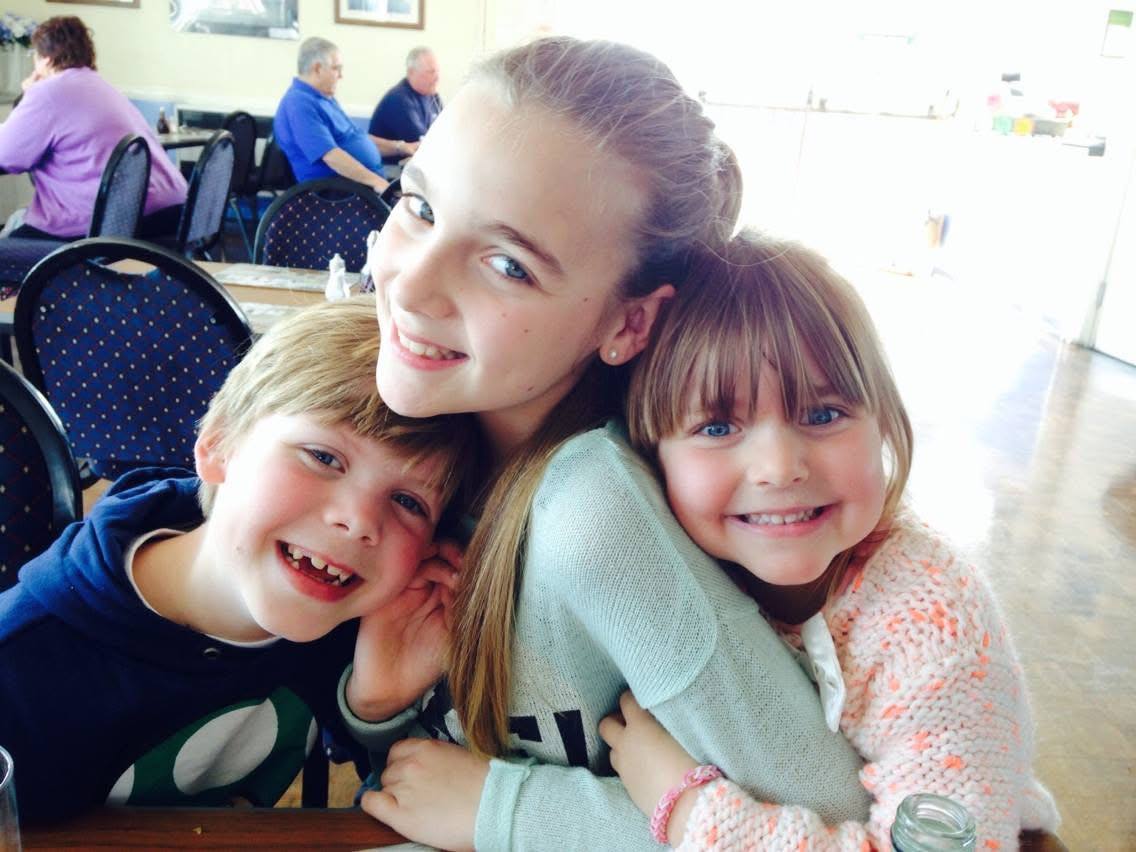
A beloved daughter, sister, and friend. Bright, funny, deeply loved.
Honor was everything a parent could hope for, full of life, laughter, and love. From the little girl who ran towards everything with joy, to the young woman who lit up every room she entered, she was extraordinary.
In February 2026, we lost her to suicide, following a battle with ketamine addiction. She was let down by a system that didn't recognise the danger until it was too late. Most parents don't know the signs. Most schools don't teach it. Most GPs don't screen for it.
We didn't know. And that is something we will carry forever. But we refuse to let Honor's story end there.
H23 Foundation was born from that grief, and from a fierce determination that no other family should go through what we are going through.
"In her Honor, we will save others."
A Life Fully Lived
Our Mission
Everything we do is built on these foundations.
Honor's story has the power to reach millions. We will use it, through every platform available, to bring ketamine addiction out of the shadows.
The H23 School Programme will go directly into secondary schools, equipping students, parents, caregivers, and teachers with the knowledge to recognise and respond.
No parent or caregiver should face this alone. H23 will build a network of support, resources, and human connection for families navigating ketamine addiction.
We will campaign at every level, from GP surgeries to Parliament, to force the systemic change that could have saved Honor, and will save others.
We are campaigning for ketamine to be reclassified as a Class A drug. Current Class B sentencing means dealers can supply it with far less fear of consequence, and that has allowed supply to spread unchecked among young people. We believe tougher consequences for those who supply and profit from ketamine are essential. At the same time, we believe firmly that people using ketamine need support and treatment, not punishment. Our focus is on stopping supply, not criminalising the young people caught in its harm.
Join Us
Every donation, every share, every conversation brings us closer to the change Honor deserved.
H23 Foundation is available for interviews, features, and media partnerships. We have a full press kit available on request.
Press EnquiriesWe are looking for trustees, advisors, health professionals, and passionate supporters who want to help build H23 into a national force for change.
Get In TouchWork With Us
The H23 School Programme brings Honor's story, and the facts every student deserves to know, directly into secondary schools, with the goal of reaching as many students as possible.
A powerful, age-appropriate assembly built around Honor's story and the real facts about ketamine: what it is, the warning signs, and where to get help. Designed to land with students in a way that leaflets and lessons alone can't.
Most parents and caregivers don't know what to look for, or that ketamine is being sold through the same apps their children use every day. We deliver a clear, practical session, in person or online, on the signs, the conversations to have, and where to turn for help.
Equipping teaching and pastoral staff to recognise the signs of ketamine use, respond appropriately, and know exactly where to signpost a student or family who needs support.
For Professionals
We're building out dedicated guidance for GPs, urgent care, CAMHS, and other professionals who encounter ketamine-related harm. This page is a work in progress. Get in touch if you'd like to help shape it.
Guidance on recognising ketamine-related presentations, including cystitis, K-cramps, and psychological symptoms, and appropriate referral pathways. Coming soon.
Recognising ketamine bladder syndrome and acute presentations in young people. Coming soon.
Understanding the psychological impact of ketamine use in young people, and how it intersects with existing mental health presentations. Coming soon.
See our Get Involved page for staff training, or get in touch for early guidance while our full resource is developed.
Support & Guidance
The information that should be given to every family from day one, but rarely is.
If someone is in crisis right now
999 : Emergency services
116 123 : Samaritans (free, 24/7)
0300 123 6600 : FRANK drugs helpline (free, 24/7)
Support & Guidance
Whether it's you who's struggling, or someone you love, it can be hard to know where to start. These step-by-step paths are here to walk you through it. You don't have to do this alone. Looking for our printable guides? See the Free Downloads tab above.
Reaching out is the hardest part, and you've already started. Ketamine addiction is more common than most people realise, and there is a way through this.
A friend, a family member, or anyone who can support you while you take the next steps. You don't have to explain everything at once, just start the conversation.
Find your local provider via FRANK's support finder. You do not need a GP referral, you can request an appointment yourself, directly.
Your local drug and alcohol service can offer recovery support and treatment options including at-home detox support, and an inpatient, medically managed detox unit for more complex cases. They can also help with pain management. Together, you'll create a care plan covering all your options, including:
These are available through most councils in the UK. Some are free, some are means-tested through adult social care, but all offer it, so don't let up if you're told otherwise.
You can also go down the private route if you'd rather, and that's a completely valid choice. If you do, check the provider is regulated by the Care Quality Commission (or the equivalent regulator if you're looking outside the UK), and that they specialise in ketamine addiction specifically, not just addiction in general.
A recovery worker or care manager will lay out all your options with you. If there are medical complications, they'll liaise with your GP with your consent, and the same applies if there's a mental health element. Lower-threshold talking therapies are offered early on where useful, and aftercare follows once treatment is underway: support groups, community day rehab, and things like meditation or acupuncture.
Diet, pain management, pelvic floor health, and CBT/DBT therapy all matter once treatment is underway too. See the In Recovery tab above for more.
Everyone in the UK is entitled to free support for addiction, whatever your income, and however many times you've tried before. Repeat attempts are a normal part of recovery, not a barrier to it. What matters is being ready to commit to change.
Recovery doesn't stop after treatment. Peer support groups and aftercare make a real difference in staying well long-term. Alongside the groups listed below, Ketamine Anonymous International keeps an up-to-date list of online recovery meetings, and there's a directory of online & in-person support groups. You can also find in-person groups near you on our support map.
NHS waiting lists for CBT and DBT can be long, and many people end up paying privately to start sooner. These free resources won't replace a therapist, but they can give you somewhere to start while you wait:
Signs can be subtle, especially early on, and are often mistaken for normal teenage moods or tiredness.
Choose a calm moment, lead with care rather than confrontation, and let them know you're on their side. Try "I read something about ketamine recently and it made me think of you, can we talk?" rather than leading with accusations.
Find their local provider via FRANK's support finder. You can do this together. They do not need a GP referral, they can request an appointment directly, or you can help them do this.
Their local drug and alcohol service can offer recovery support and treatment options including at-home detox support, and an inpatient, medically managed detox unit for more complex cases. They can also help with pain management. Together, they'll create a care plan covering all the options, including:
These are available through most councils in the UK. Some are free, some are means-tested through adult social care, but all offer it, so don't let up if you're told otherwise.
Going private is also a completely valid choice if that's an option for your family. If you do, check the provider is regulated by the Care Quality Commission (or the equivalent regulator if you're looking outside the UK), and that they specialise in ketamine addiction specifically, not just addiction in general.
A recovery worker or care manager will lay out all the options with them. If there are medical complications, they'll liaise with the GP with consent, and the same applies if there's a mental health element. Lower-threshold talking therapies are offered early on where useful, and aftercare follows once treatment is underway: support groups, community day rehab, and things like meditation or acupuncture.
Diet, pain management, pelvic floor health, and CBT/DBT therapy all matter once treatment is underway too. See the In Recovery tab above for more.
Everyone in the UK is entitled to free support for addiction, regardless of income, and no matter how many times they've tried before. Repeat attempts at recovery are normal. What matters is willingness to commit to change.
Recovery doesn't stop after treatment. Peer support groups and aftercare make a real difference. Ketamine Anonymous International keeps an up-to-date list of online recovery meetings, and there's a directory of online & in-person support groups. You can also find in-person groups near you on our support map.
NHS waiting lists for CBT and DBT can be long, and many people end up paying privately to start sooner. These free resources won't replace a therapist, but they can give them somewhere to start while they wait:
Supporting someone through addiction takes a toll. You deserve support too, so don't carry it all alone. A good first step: Parent Support Link runs a 24-hour helpline, groups, and 1-1 support for anyone affected by someone else's substance use, including a dedicated group for parents and carers of ketamine users. Call 023 9039 9764 or visit pslcharity.org.uk.
Once treatment has started, healing continues day to day. These are things that can genuinely help alongside medical care, not a replacement for it. Always check anything new with a GP or your treatment team first.
A bladder affected by ketamine use can be extremely sensitive, and acidic foods and drinks are a common trigger for flare-ups, even something as ordinary as a tomato. Cutting back on acidic and spicy food and drink can ease discomfort while the bladder heals.
Severe weight loss is extremely common in ketamine addiction, since it suppresses appetite and stomach pain often makes eating harder. Rebuilding nutrition is part of physical healing, not separate from it. High-calorie, nutrient-dense drinks such as Complan, Meritene, or Ensure can help get calories and nutrients in when solid food feels difficult, and are available at most pharmacies and supermarkets. If weight loss is significant, ask a GP for a dietitian referral. Prescription nutritional drinks are also available where clinically needed.
If bladder ulceration is causing ongoing pain, getting the right dose and type of pain relief matters, and this should come from a professional rather than guesswork. Speak to your GP or drug worker about a referral to urology, where a scan and specialist assessment can check what's happening and guide the right treatment. Don't just manage the pain in isolation. The underlying cause needs looking at too.
Some of the discomfort associated with ketamine-induced cystitis can be linked to a hypertonic (overly tense) pelvic floor, and this can persist even after use has stopped. A referral to a pelvic floor physiotherapist, via a GP or privately, is worth asking about, particularly if pain or urgency continues into recovery.
A simple, free technique that can help calm the nervous system and ease tension, including in the pelvic floor. It may also help with cramping. Breathe in for 4 counts, hold for 4, out for 4, hold for 4, and repeat. It's worth the whole family trying this together, not just the person in recovery.
Ketamine use, and the experience of addiction itself, can take a real toll on mental health. Therapies like CBT and DBT aren't a nice-to-have here. They're essential alongside physical treatment for recovery to last. NHS waiting lists can be long, so if it's an option, a private local therapist may offer the fastest route in. Addressing the psychological side alongside the physical is what makes recovery stick.
The early stages of recovery can bring waves of intense emotional pain, on top of everything happening physically. NHS waiting lists for CBT and DBT therapists can be very long, so having a few basic skills to work through in the meantime can genuinely help:
These tools help in the moment, but they aren't a substitute for telling someone how you're feeling. Let a drug worker, key worker, or GP know, so extra support can be put in place alongside them.
Helplines & Support
Ketamine Specific
A 12-step fellowship specifically for ketamine addiction. Free meetings across the UK and online. Peer support from people who truly understand.
ketamineanonymous.org.uk →24/7 Helpline
Free, confidential drugs advice and information 24 hours a day, 7 days a week. Can help find local support services.
0300 123 6600
talktofrank.com →12-Step Programme
Free peer support meetings across the UK and online. A structured 12-step recovery programme open to anyone struggling with drug addiction.
0300 999 1212
ukna.org →Skills-Based Recovery
A science-based alternative to 12-step programmes. Focuses on building practical skills and psychological resilience for long-term recovery.
smartrecovery.org.uk →Crisis Support
Free, confidential support for anyone in emotional distress or crisis. Available 24 hours a day, 365 days a year.
116 123
samaritans.org →Community Support
Free drug and alcohol support services across England. Offers one-to-one support, group sessions, and referrals to rehabilitation.
changegrowlive.org →Support Services
Tap a region to see in-person ketamine support there. Gold regions have dedicated groups; for everywhere else you'll find trained local services and national meetings.
Tap a region on the map to see the ketamine support available there.
Coming Soon
We are building the first national directory of ketamine addiction support services, searchable by postcode, with live availability. No more being told "we don't cover your area." Help is coming.
Register Your ServiceFree Downloads
One-page guides you can keep, print, or share with someone who needs them.
Free Download
What every parent or caregiver needs to know: how to spot the signs, what to say, and where to get help. One page, easy to keep or share.
Download PDF →Free Download
The truth behind the myths, how to say no without the awkwardness, and where to turn if you or a friend needs help.
Download PDF →The Hidden Crisis
This is what we wish we had known. This is what nobody told us. This is why Honor is gone.
"Every time she stopped taking ketamine, she was in so much mental and physical pain that she couldn't see a way out. She couldn't imagine a life without it, but she also couldn't continue the life she was living."
Honor's mother
When you take ketamine recreationally, it feels manageable. It feels like a choice. But with every use, your brain is quietly changing, and at some point, what began as a choice becomes something your brain feels it cannot survive without.
Bladder damage isn't something that only happens to long-term, heavy users. Research shows that even occasional use, such as one heavy weekend at a festival, has been linked to early bladder symptoms in some people. There is no known safe amount of ketamine for your bladder, and no one is protected just because they don't use it often.
The danger of ketamine is not just what it does to your bladder. It is what it does to your ability to feel happiness, connection, and hope. Young people who become addicted often reach a point where they cannot imagine feeling okay without it, and cannot imagine continuing to live with it.
But if you're reading this and you're using ketamine, please don't lose hope. Recovery is genuinely possible. The brain can heal, the bladder can heal, and the way you feel right now is not permanent, even if it feels that way. Reaching out is the first step, and you deserve support, not judgement.
This is what happened to Honor. And it is why H23 Foundation exists.
If you are struggling right now, please reach out.
Recovery is possible. The brain can heal. But you cannot do this alone, and you should not have to.
Medical Information
One of the least-discussed but most serious consequences of ketamine addiction is severe bladder damage, known as ketamine-induced uropathy. GPs often treat the pain symptoms without addressing the underlying cause. Here is what you need to know.
In July 2025, the NHS opened the UK's first dedicated ketamine bladder clinic for young people. Stopping use gives the bladder the best chance to heal. The longer damage goes unaddressed, the less reversible it tends to be.
Reach Out
Whether you're a school, journalist, supporter, or a family who needs us, we want to hear from you.
"In her Honor, we will save others."
Please Read
The information provided by H23 Foundation is intended for educational, awareness, and support purposes only. It is not medical advice, mental health advice, diagnosis, treatment, or a substitute for professional healthcare services.
While we aim to provide accurate and up-to-date information about ketamine addiction, recovery, mental health, and related issues, every person's circumstances are different. Decisions about healthcare, medication, detoxification, rehabilitation, mental health treatment, or other medical matters should always be made in consultation with qualified healthcare professionals.
If you are concerned about your own health or the health of someone else, please seek advice from a GP, specialist, or other appropriate healthcare provider.
If you or someone you know is experiencing a mental health crisis, having thoughts of self-harm or suicide, or is in immediate danger, contact emergency services on 999 immediately or call Samaritans on 116 123 for free, confidential support 24 hours a day.
Links to external organisations and services are provided for information and support. H23 Foundation is not responsible for the content, policies, or services of third-party organisations.
The experiences, stories, and educational materials shared by H23 Foundation are intended to increase awareness, reduce stigma, encourage early intervention, and help people access appropriate support. They should not be relied upon as professional medical, legal, or therapeutic advice.
By using this website, you acknowledge that H23 Foundation cannot provide individual medical assessments, diagnoses, treatment recommendations, or emergency assistance.